




Why Are Garage Door Styles Important for Global Buyers?
For global buyers, a garage door is more than a closing panel. It shapes curb appeal, daily comfort, security, and long-term property value. Garage door styles influence how a home fits its neighborhood and climate. A wide glass door may suit a modern villa, but it can increase heat gain in sunny regions. A steel carriage-style door can offer a traditional appearance with dependable strength. Yet, its finish may require careful protection near coastal air.
Experienced installers usually assess wind exposure, insulation needs, opening size, and local building requirements before recommending a design. These details matter across borders. A door selected for a mild European climate may perform poorly in a tropical or desert environment. Buyers should also confirm motor voltage, replacement-part access, delivery packaging, and installation support. Small oversights become expensive problems.
Style still matters deeply. Color, panel lines, windows, and hardware can make a plain exterior feel intentional. However, appearance should never hide weak construction. That assumption is risky. Reliable suppliers provide material specifications, tested performance data, warranty terms, and clear maintenance instructions. Independent reviews and installer feedback can strengthen confidence, although neither source is perfect.
The best choice is rarely the most fashionable option. It is the door that balances design, weather resistance, operation, safety, and service availability. Global buyers need practical evidence, not attractive images alone. A thoughtful comparison can prevent mismatched purchases and help the garage door perform well for many years.
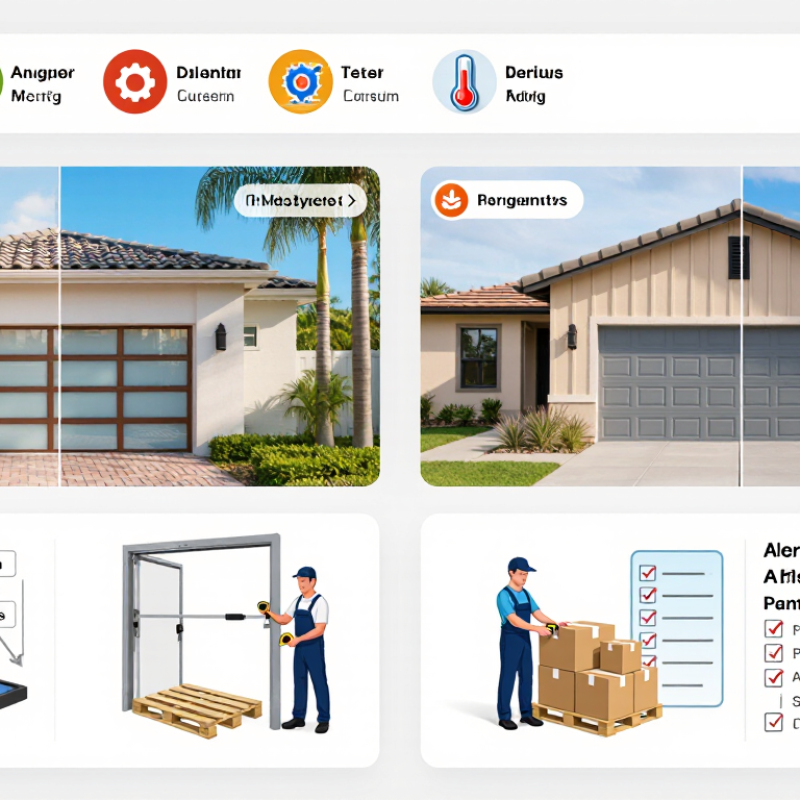
Global Market Evidence: A USD 4B+ Industry Makes Style a Buying Factor
Garage door style matters because the global market is already worth more than USD 4 billion. Recent assessments from Grand View Research and Fortune Business Insights show continued growth, with forecasts commonly indicating annual growth near 5%. Their figures differ because some include commercial systems, automation, or installation services. That difference deserves attention.
For global buyers, style is not decoration alone. A sectional door can save driveway space and support insulated panels. A roller design may suit compact urban garages. Side-hinged doors can match older architectural façades. Color, window layout, surface texture, and opening direction also affect local demand. In warmer regions, ventilation may matter more than visual simplicity.
The details influence replacement decisions.
Industry purchasing data often connects modernization with energy efficiency and convenience. A 2023 report from the International Energy Agency shows buildings remain a major source of global energy use, strengthening interest in better insulation. However, garage-door reports rarely separate style from performance clearly. That is a weakness. Buyers should check panel thickness, thermal ratings, wind resistance, maintenance needs, and spare-part access before judging appearance.
A convincing style must survive daily use. A dark finish may look refined, yet it can reveal dust and surface damage quickly. A narrow window pattern may fit a modern home, but replacement glass availability can vary between markets. Style becomes commercially important when it supports local architecture, practical performance, and long-term serviceability.
| Data Dimension | Observed Market Evidence | Most Relevant Door Styles | Buyer Implication | Style Influence | Evidence Type |
|---|---|---|---|---|---|
| Global industry scale | Above USD 4 billion in commonly cited 2024 global garage-door market estimates. Published estimates vary because some studies include only doors, while others include openers, hardware, and installation. | Sectional overhead, roller, side-hinged, tilt-up, and custom architectural systems | A large international market creates room for multiple style categories rather than a single universal design. | High | Market-study consensus; scope varies |
| Primary end-use | Residential replacement and new-build demand are central applications, while commercial and industrial projects require larger openings and heavier-duty specifications. | Sectional overhead for homes; rolling and high-performance systems for commercial premises | Style selection must match the building’s use, opening dimensions, security needs, and operating frequency. | High | Construction and product-application evidence |
| North American preference | Overhead sectional doors are widely used in detached housing because they provide convenient vehicle access and can be automated. | Raised-panel, carriage-house-inspired, contemporary flush-panel, and full-view sectional designs | Exterior appearance, window layout, insulation, and opener compatibility are frequent specification factors. | High | Residential construction practice |
| European preference | Urban density, compact driveways, façade integration, and stricter energy-performance expectations increase the importance of space efficiency and thermal performance. | Sectional, roller, side-hinged, and compact residential systems | Buyers often compare stack-back space, opening clearance, insulation, finish quality, and architectural conformity. | High | Regional building and design requirements |
| Asia-Pacific opportunity | Urbanization, residential construction, renovation, and expanding vehicle ownership support demand for automated access products in many markets. | Roller, sectional, compact overhead, and security-oriented designs | Manufacturers need adaptable dimensions, climate-appropriate materials, local installation support, and price-tier choices. | High | Urbanization and construction trends |
| Sectional overhead style | Uses hinged horizontal panels that travel vertically and then along the ceiling, making it suitable for many residential garages. | Flush-panel, raised-panel, windowed, contemporary, and carriage-house-inspired designs | Offers broad design flexibility, automation compatibility, and optional insulation; requires sufficient ceiling or side-room clearance. | High | Product construction characteristics |
| Roller style | Rolls into a compact housing above the opening and can preserve ceiling storage space. | Aluminium or steel roller shutters; compact automated roller doors | Attractive for limited headroom and compact driveways, but buyers should check curtain strength, wind exposure, noise, and thermal requirements. | High | Product construction characteristics |
| Side-hinged style | Operates through outward or inward swinging leaves and can provide a traditional entrance appearance. | Timber-look, steel, composite, and glazed side-hinged doors | Strong architectural appeal and pedestrian convenience, but it needs swing clearance and may be less suitable where driveway space is restricted. | High | Product construction characteristics |
| Material and finish | Steel, aluminium, timber, composite, and fibreglass are used globally, with different balances of weight, durability, maintenance, and appearance. | Painted steel, wood-look finishes, natural timber, aluminium full-view, and composite façades | Material choice influences corrosion resistance, maintenance frequency, lifecycle appearance, structural weight, and landed cost. | High | Material-performance comparison |
| Climate exposure | Coastal salt, high humidity, strong solar radiation, freezing temperatures, and high wind can alter the suitable specification. | Corrosion-protected steel, aluminium, insulated sectional, wind-rated, and weather-sealed systems | Global buyers should evaluate coating systems, seals, drainage, wind performance, and local replacement-part availability. | High | Environmental performance principles |
| Energy performance | An insulated door can reduce heat transfer between the garage and adjacent conditioned areas; the result depends on panel construction, seals, installation, and climate. | Insulated sectional and insulated roller systems | Energy performance can justify a higher purchase price where the garage is attached to the home or used as a conditioned workspace. | Medium to High | Building-envelope principles |
| Security expectations | Security performance depends on the complete system, including panels or curtain, tracks, locks, hinges, opener controls, and installation quality. | Reinforced sectional, roller, high-security, and electronically controlled systems | Style cannot be evaluated separately from forced-entry resistance, access control, emergency release, and maintenance support. | High | Whole-system security evaluation |
| Maintenance burden | Moving components require periodic inspection and maintenance; exposure, usage frequency, and material selection affect service needs. | Coated steel, aluminium, composite, timber, and high-cycle commercial systems | Low-maintenance finishes and readily available replacement hardware can improve total ownership value for importers and installers. | Medium | Lifecycle ownership factors |
| Customization potential | Door appearance can be modified through panel geometry, glazing, colour, surface texture, hardware, and architectural proportions. | Contemporary flush-panel, full-view, wood-look, and custom façade-integrated designs | Customization helps distributors address different housing styles and allows the door to function as a visible façade element. | High | Design and specification evidence |
| Installed-cost sensitivity | Total cost includes the door, hardware, opener, delivery, local taxes, installation, electrical work, and future service—not only the panel price. | Standard sectional and roller systems for value-oriented projects; customized glazed or timber-look systems for premium projects | Comparing styles by product price alone can misrepresent landed cost and long-term value. | High | Total-cost-of-ownership logic |
| Commercial conclusion | Because garage doors are both functional access equipment and a visible part of a building façade, style affects specification, differentiation, and perceived value. | Regional style portfolios combining standard, premium, compact, insulated, and security-focused options | Global buyers should select a portfolio by climate, architecture, building code, opening size, installation capability, and target price tier. | High | Cross-market synthesis |
| Data note: The USD 4B+ figure reflects the range reported in publicly available global garage-door market estimates for the 2024 period. Market boundaries differ by source, especially regarding openers, automation, installation, and commercial doors. Regional and style comparisons above describe documented product characteristics and established construction practices rather than company or brand performance. | |||||
| Reference framework: U.S. Census Bureau construction data | U.S. Department of Energy building-envelope guidance | ISO wind-load principles | |||||
Related Posts
-
How to Choose the Best Garage Door Styles?
-
7 Best Garage Door Styles for Global Buyers?
-
Popular Garage Door Styles for Your Home Which One to Choose?
-
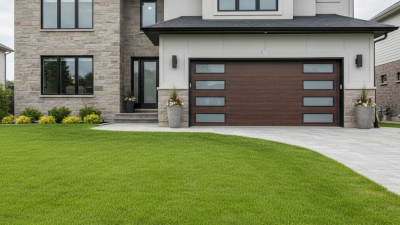
Best 10 Tips for Choosing the Right Garage Door for Your Home
-
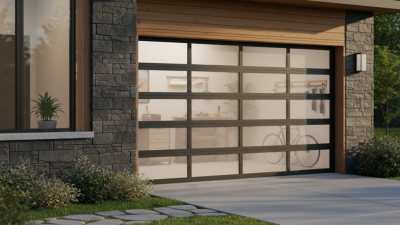
Best Garage Doors with Windows Features and Benefits Explained?
-
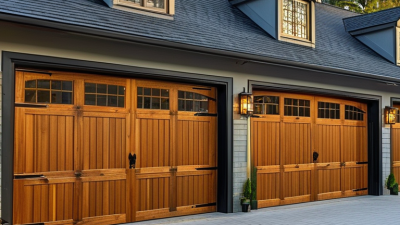
Top Garage Door Styles to Consider in 2026?