How to Choose the Best Garage Door Styles?
Choosing the right garage door styles can change how your entire home feels from the street. The door often covers the widest visible section of the exterior. Its color, material, window layout, and panel design deserve careful attention. A beautiful door can still feel wrong when it ignores the roofline, brick texture, or nearby windows.
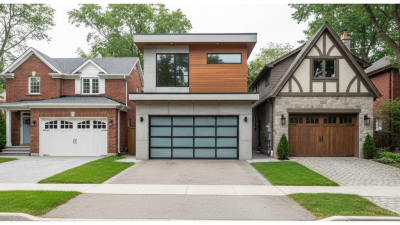
Tom Wadsworth, a longtime garage-door industry educator, describes the door as “the largest moving object in most homes.” That observation makes the decision more practical than decorative. Traditional raised-panel doors suit many suburban homes. Carriage-house designs add charm to cottages and farm-style properties. Modern flush-panel doors can support clean, minimalist architecture. However, style labels do not guarantee a perfect match. A carriage-house door may look forced on a sharply contemporary façade. Even a popular black finish can absorb heat and dominate pale siding.
The most reliable choice begins with the home itself. Stand across the street and study its lines. Notice whether the windows feel balanced. Check how morning and afternoon light reach the driveway. Consider insulation, weather exposure, maintenance, and daily use, not only photographs. Small details matter, including hinge appearance, glass privacy, and the door’s opening clearance. My own preference may also be imperfect; visual appeal can sometimes outweigh practical concerns. That is worth questioning before ordering. This guide explores garage door styles through proportion, materials, performance, and personal taste. The goal is not to copy a trend. It is to select a door that looks intentional, works quietly, and remains convincing years after installation.
Understanding the Main Types of Garage Door Styles
How to Choose the Best Garage Door Styles?
Understanding the Main Types of Garage Door Styles
Sectional garage doors are the most common residential option. They slide upward on tracks and rest beneath the ceiling. This design suits short driveways and modern homes. Insulated steel panels can reduce drafts around a heated garage. Check the panel rating, weather seals, and track clearance before choosing. A higher rating is not always better for every climate.
Roll-up doors use compact slats that coil above the opening. They work well where ceiling space is limited. However, they may provide less visual warmth than other styles. Side-hinged doors open outward like traditional entry doors. They offer quick pedestrian access, but require clear space outside. Tilt-up and carriage-house styles create strong curb appeal with fewer moving sections. Their wider swing path can become inconvenient near sidewalks or parked vehicles.
The 2024 Cost vs. Value Report found that garage door replacement recovered about 194% of its cost in resale value. That figure reflects a replacement project, not every decorative upgrade. It still shows how strongly the door affects first impressions.
Technical guidance from the Door and Access Systems Manufacturers Association emphasizes balanced operation and suitable safety devices. I have seen homeowners focus on color first, then regret ignoring headroom and wind exposure. That assumption can fail.
Measure twice. Observe how rain, sunlight, and traffic reach the opening before deciding.
Comparing Materials, Designs, and Architectural Features
Choosing the best garage door style starts with comparing materials, designs, and architectural features together. Steel offers strength, low maintenance, and clean modern lines. Aluminum resists rust and suits coastal homes, but it can dent more easily. Wood provides natural texture and warmth, although it needs regular sealing. Composite materials can imitate wood with less upkeep.
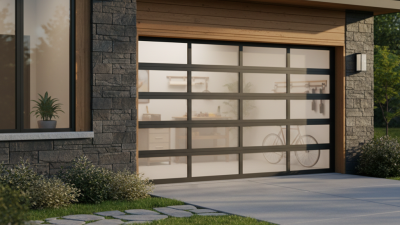
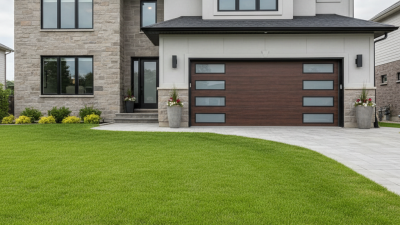
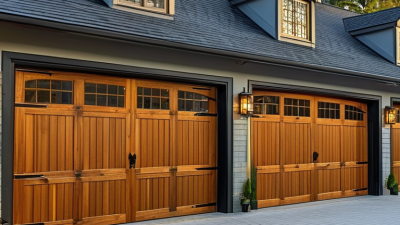
Design should support the home’s existing character. Raised panels suit traditional façades with brick, shutters, or pitched roofs. Flat panels complement minimalist houses and dark window frames. Carriage-style doors add rural charm, but decorative hardware may look forced on a contemporary exterior. Check the proportions carefully. A wide door with tiny windows can make the façade feel unbalanced. I have seen attractive materials fail because the pattern ignored the roofline.
Tips: Compare samples outdoors, not only under showroom lights. Observe the door from the street. Match window shapes, trim colors, and roof details when possible. Consider insulation if the garage shares a wall with living space. Ask about wind resistance, hardware durability, and repair access. Measure twice. Small mistakes become expensive. Also, do not choose wood purely for appearance; humid climates may demand more maintenance than expected. A professional installer can identify structural limits, drainage concerns, and clearance problems before ordering.
Matching a Garage Door Style to Your Home’s Exterior
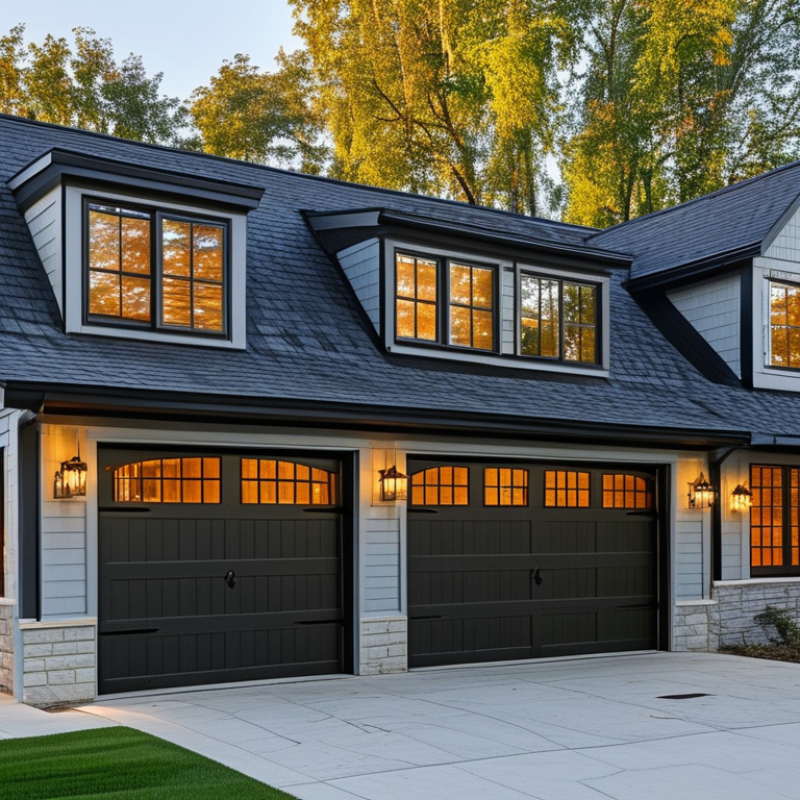
Matching a garage door to your home's exterior is less about fashion than visual balance. Study the roof pitch, window grids, siding texture, and front-door finish before choosing a design. A carriage-style door can suit a traditional facade, while a clean, flush panel often supports modern architecture. The match should feel intentional. Observe your house in daylight.
Experienced installers measure more than the opening width. They check headroom, track clearance, drainage, and how afternoon light changes the facade. For a narrow home, vertical window panels may make the elevation appear taller. On a wide ranch-style exterior, horizontal lines can reinforce its low profile. Use window patterns that echo nearby windows, but do not copy every detail. That can look forced. Color matters too. A deep tone adds visual weight, while a pale finish can soften brick or stone.
Material should reflect both climate and maintenance tolerance. Wood offers warmth, yet it may require regular sealing in damp conditions. Insulated steel can provide a tidy appearance and help moderate the garage temperature. Composite materials may resemble painted wood, though their texture can look less natural up close. Before ordering, place a large color sample beside the siding and view it in morning and evening light. Small samples can deceive. Check whether decorative hardware, window placement, and exterior lighting work together. An attractive door still feels wrong if its proportions fight the rest of the home.
Evaluating Insulation, Security, Maintenance, and Cost
How to Choose the Best Garage Door Styles?
A garage door should match your climate, not only your façade. The U.S. Department of Energy notes that insulation and air sealing can improve comfort in attached garages. Choose a door with a tested R-value, but compare the whole assembly. Panels, weather seals, and glazing all matter. A high R-value means little when cold air enters beneath the door. It sounds obvious, yet this mistake is common.
Security also deserves practical attention. The FBI reported 847,522 burglary offenses in the United States in 2023. This figure does not measure garage-door failures, but it shows why layered protection matters. Select strong panels, reinforced tracks, secure remote controls, and a dependable manual release. Monthly visual checks can reveal loose hardware or damaged cables. Never repair high-tension springs without trained help. The International Door Association recommends professional inspection when safety components look worn.
Tips: Ask for written installation costs, removal fees, and warranty terms. The 2024 Cost vs. Value Report estimated a national garage-door replacement cost of $4,513, with an average resale value of $8,751. That is a reported 193.9% return, not a promise for every home. Budget for maintenance, too. I would not choose the cheapest door after seeing warped seals and noisy rollers fail early. A quieter, insulated model may cost more now. Sometimes, it reduces comfort problems later.
How to Choose the Best Garage Door Styles? — Evaluating Insulation, Security, Maintenance, and Cost
| Garage Door Style |
Typical Construction |
Typical Insulation
R-Value |
Security Level |
Maintenance |
Typical Installed Cost
(U.S. Dollars) |
Best Suited For |
| Single-Layer Steel Sectional |
One steel panel layer with a basic frame and finish |
R-0 to R-4 |
Moderate |
Low |
$900–$1,800 |
Budget-conscious homeowners and detached garages |
| Insulated Steel Sectional |
Two or three steel layers surrounding polyurethane or polystyrene insulation |
R-9 to R-18 |
High |
Low to moderate |
$1,500–$3,500 |
Attached garages, energy-conscious homes, and colder or hotter climates |
| Carriage House Sectional |
Modern sectional door designed to resemble traditional swing-out carriage doors |
R-6 to R-18 |
High |
Low to moderate |
$1,800–$4,000 |
Homes requiring traditional appearance with modern operation |
| Full-View Aluminum and Glass |
Aluminum frame with single- or double-pane glass sections |
R-2 to R-12 |
Moderate |
Moderate |
$2,500–$6,000 |
Modern homes, studios, workshops, and garages needing natural light |
| Roll-Up Commercial-Style |
Interlocking steel or aluminum slats that roll into a compact overhead coil |
R-0 to R-12 |
High |
Moderate |
$1,500–$4,500 |
Limited headroom, workshops, and security-focused applications |
| Tilt-Up or One-Piece |
A single rigid panel that pivots outward and upward |
R-0 to R-10 |
Moderate |
Moderate to high |
$800–$2,500 |
Existing garages with compatible framing and sufficient driveway clearance |
Notes:
R-values are approximate and vary by panel thickness, insulation material, glazing, and manufacturer. Installed cost ranges are indicative U.S. residential prices and typically exclude major framing changes, electrical work, premium hardware, and garage-door openers. Security depends on the door's strength, tracks, locks, opener, windows, and installation quality. Annual inspection, hardware lubrication, weather-seal replacement, and professional spring or cable servicing help maintain safe operation.
Choosing the Right Garage Door Style for Your Needs
How to Choose the Best Garage Door Styles?
Choosing the right garage door style starts with how your household uses the garage. Start with daily use. Do you park two vehicles, store bicycles, or enter through the garage frequently? A sectional door suits many homes because its panels lift vertically and save driveway space. A side-hinged door may feel more natural when the garage also serves as a workshop. I have seen homeowners choose attractive doors that blocked shelving or reduced headroom. Measurements should come before appearance.
Your local weather and home structure also matter. In windy areas, ask about reinforced panels, secure tracks, and tested wind ratings. In cold climates, insulated construction can make the garage more comfortable and reduce heat transfer into nearby rooms. Windows bring daylight, but their position affects privacy and security. Match the door’s lines, color, and window pattern with the home rather than copying a passing trend. Wood-like finishes can add warmth, while steel surfaces usually require less routine care. Check hinges, rollers, cables, and automatic reversal features during a professional inspection. Small faults become expensive when ignored. I once underestimated the noise caused by worn rollers, so I now consider sound levels before recommending a style. No option is perfect. A careful choice may still need adjustment after real use.
How to Choose the Best Garage Door Style?
Before choosing a raised-panel, carriage-house, flush-panel, or contemporary garage door style, confirm the available opening size. Common residential garage door widths include 8 and 9 feet for single-car openings and 16 and 18 feet for double-car openings.
These are common nominal residential door widths. The final style should also match the opening height, available headroom, insulation requirements, window preferences, and the architectural design of the home.