Top Timber Windows for Energy Efficiency and Style
Timber windows bring warmth to a home, but their appeal should be matched by careful attention to energy performance. Glazing, frame depth, seals, and installation all matter. A beautifully crafted sash can still feel draughty if it is poorly fitted. Small details count.
Architect Frank Lloyd Wright wrote, “The wood is the most humanly intimate of all materials. Man is most comfortable and most at home in wood.” His words capture timber’s tactile appeal, though they do not settle the practical question of efficiency. For that, homeowners should compare whole-window performance figures, not just glass specifications. Look for tight seals, suitable glazing, and frames designed for the building’s exposure and age.
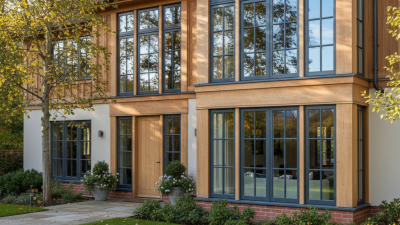
There is no single best choice. A slim-profile window may preserve the character of a period façade, while a deeper frame may allow more insulation. Timber windows can suit both traditional and contemporary homes, but maintenance needs honest consideration. Paint may need renewal; joints deserve inspection. That is part of the bargain.
This guide explores window styles, energy-saving features, material choices, and installation questions. It also weighs trade-offs instead of promising effortless savings. A sound window should feel right in the room, close securely, and complement the building outside. Small imperfections in a home’s existing openings can complicate the decision, so measurements and professional advice are worth the time.
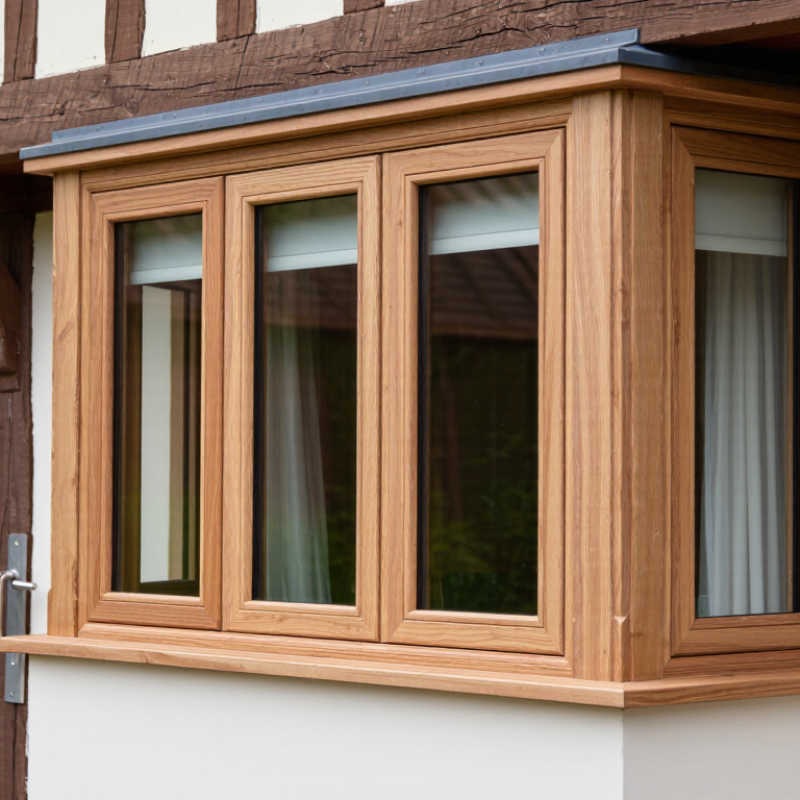
Understanding Timber Windows and Their Key Components
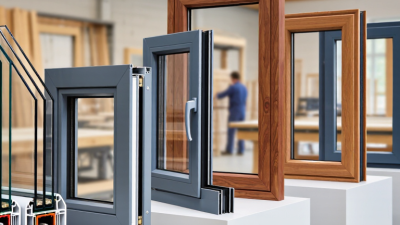
Timber windows combine a wooden frame, movable sash, glazing, seals, and hardware. Each part affects how the window looks and performs. A well-fitted frame helps limit draughts, while the sash holds the glass and opens for ventilation. Small details matter.
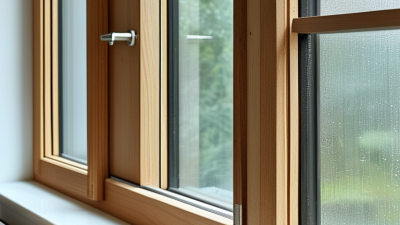
Look at the joints where frame sections meet. Tight, accurately made joints help resist air and water, though timber can swell or shrink as humidity changes. Weather seals sit between the sash and frame to reduce gaps. They should compress evenly, not feel loose or overly stiff. The sill also matters: its slope and drainage details help water move away from the wood.
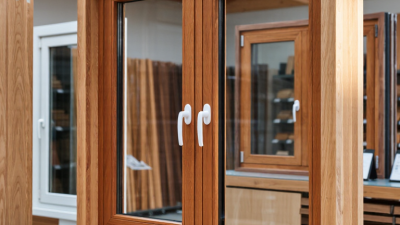
Glazing has a major role in insulation. Double glazing traps a layer of air or gas between panes, while the glazing bead holds the unit in place. Hardware, including hinges and locks, should let the sash close firmly without forcing it. Not always obvious. A beautiful painted surface can conceal worn seals or a sticking hinge, so inspect how the window operates as well as how it looks. Finish coatings protect timber, but they need periodic checking, especially along exposed edges. One detail I sometimes overlook is the underside of the sill; it can weather faster than the visible face.
How Timber Windows Improve Energy Efficiency
Timber windows can reduce heat transfer because wood conducts less heat than common window-frame metals. Their performance still depends on the whole assembly: frame, glazing, seals, and installation. The U.S. Department of Energy estimates that windows account for 25–30% of residential heating and cooling energy use. That makes the details matter. A snug sash and intact weatherstripping help limit drafts around the frame, while double glazing adds another barrier between a warm room and cold glass. Small gaps count.
Check the National Fenestration Rating Council label when comparing products. Its U-factor rates heat transfer; a lower value generally means better insulation. The solar heat gain coefficient, or SHGC, indicates how much solar heat enters through the window. The right balance depends on climate and window direction: winter sun may help a south-facing room, while strong afternoon sun can raise cooling needs. I would not treat timber alone as a guarantee. Poor installation can leave cold air curling around the sill, and exposed wood needs sensible maintenance to resist moisture. A careful fit matters as much as an attractive frame.
Comparing Timber Types, Glazing, and Thermal Performance
Timber windows balance insulation, appearance, and maintenance, but timber species alone cannot predict energy performance. Softwoods such as pine are often lighter and less costly, while oak and other hardwoods feel dense and substantial. Density affects strength and handling; it does not automatically mean a warmer window. Check the complete window’s tested U-value, not just the wood description. Small details matter.
Glazing usually makes the larger difference. Double glazing with a low-emissivity coating and an insulating gas can reduce heat transfer compared with basic single glazing. Triple glazing may improve performance further, though it adds weight and cost. Warm-edge spacers help limit heat loss around the glass edges. On a cold morning, that edge is often where condensation first appears. The frame, seals, and glass should work as one system.
Installation deserves equal attention. Even a well-rated window can underperform if gaps around the frame are poorly sealed or the opening is not fitted squarely. Ask for whole-window thermal figures and clear installation guidance, then compare like with like. A traditional timber profile may suit a period home beautifully, but thicker glazing can change its proportions. That trade-off is easy to miss on a specification sheet. A little regret is possible.
Choosing and Maintaining Timber Windows for Lasting Performance
Timber windows can bring warmth to a room, but lasting performance starts with the right specification. Compare whole-window U-factors, not glass figures alone, and check that frames, seals, and installation details suit your local climate. Low-emissivity glazing and well-fitted weatherstripping can reduce heat transfer and draughts. The U.S. Department of Energy’s Energy Saver guidance estimates that windows account for 25–30% of residential heating and cooling energy use. That figure makes careful selection worthwhile.
Maintenance is simple, but easy to postpone. Inspect the lower frame and sill each year, especially after wet winters. Look for cracked paint, soft spots, loose putty, and gaps where light or air gets through. Repair small coating failures before moisture reaches the wood; repainting over damp timber only hides the problem. Keep drainage paths clear, and use gentle cleaning rather than abrasive pads. A window may look sound from indoors and still hold water at an exposed sill. That is worth checking.
Tips: Wipe condensation promptly. Lubricate hinges and locks. Recoat exposed timber when the finish begins to fail, following the coating maker’s preparation instructions. Keep a brief maintenance log; it is not perfect, but it helps reveal recurring trouble spots.