Top 10 Custom Animatronics Manufacturers in China
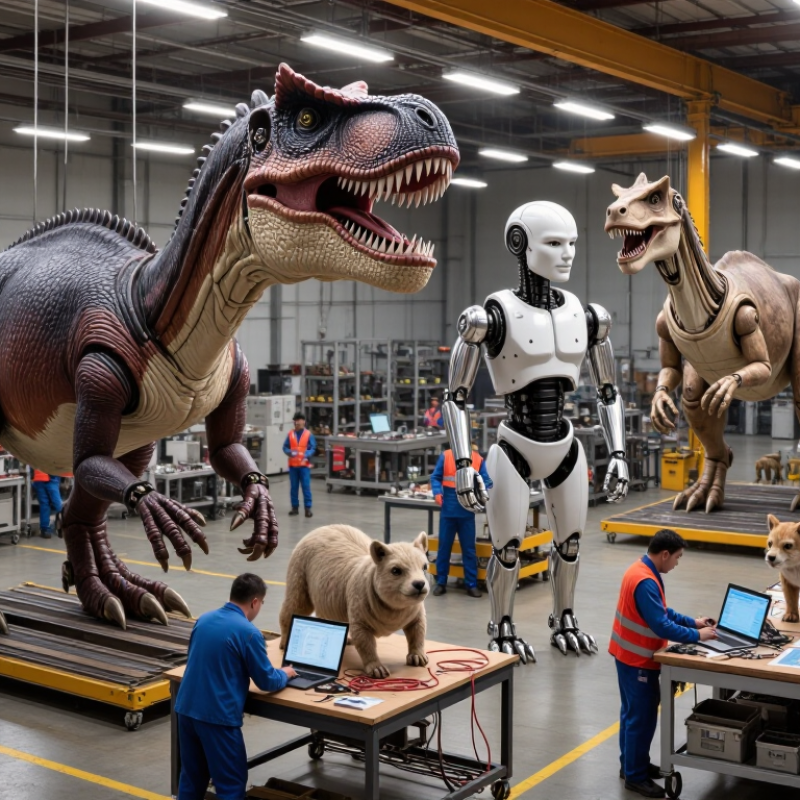
Custom Animatronics can turn a static exhibit into an experience visitors remember. A lifelike dinosaur may shift its head, blink, and respond to nearby movement. Behind that moment are mechanical design, durable materials, control systems, and careful testing. Small details matter.
Choosing a manufacturer involves more than comparing prices or polished videos. Buyers should consider the company’s project experience, engineering capabilities, customization process, production quality, and after-sales support. Ask how the team handles motion limits, surface finishes, wiring access, and maintenance. Request clear specifications, realistic schedules, and examples of completed work where possible.
China has manufacturers serving entertainment venues, museums, commercial displays, and themed attractions. Their capabilities and service models can differ considerably. This guide to the Top 10 Custom Animatronics Manufacturers in China offers a starting point for comparing potential suppliers, not a guarantee that one company fits every project. A compact character for an indoor display has different needs from a large outdoor figure exposed to weather and frequent use. Those distinctions are easy to overlook.
The best choice depends on the intended setting, budget, timeline, and support required after installation. Verify important claims directly with each supplier. Compare proposals carefully, and leave room for questions. No shortlist can replace a detailed technical discussion, and even a promising portfolio may not show how a system performs after months of operation.
Definition and Main Applications of Custom Animatronics
Custom animatronics are made-to-order figures that use mechanical parts, control systems, and sculpted skins to create lifelike movement. Their design can range from a blinking head to a full-sized creature with coordinated gestures and sound. Builders typically consider viewing distance, movement range, access for maintenance, and the environment where the figure will operate. A detailed face alone is not enough. Timing matters.
These figures appear in theme parks, museums, visitor centers, exhibitions, and stage productions. A museum may use a moving historical figure to support a guided display, while a park might place a large creature along a walk-through path. Retail displays and special events also use them to draw attention. The setting shapes the design: a close-up exhibit needs subtle facial movement, while a distant figure may need broader gestures. Even then, motion can feel stiff if the sequence repeats too often.
Tips: Share the audience, viewing distance, operating hours, and available space before requesting a design. Ask how moving parts can be inspected and repaired. Test the figure under its actual lighting conditions; colors and expressions may look different on site. A little planning helps, though no design brief predicts every real-world problem.
China’s Custom Animatronics Industry and Its Main Sectors
China’s Custom Animatronics Industry and Its Main Sectors
China’s custom animatronics industry serves several distinct markets, each with different practical demands. Theme parks need figures that withstand repeated daily operation and changing indoor or outdoor conditions. Museums often favor accurate proportions, restrained movement, and clear educational purpose. Retail displays and touring exhibitions may prioritize compact footprints, quick installation, and safe transport. One design rarely suits every setting.
A typical project combines concept modeling, metal or composite frames, motors, sensors, sculpted skins, paint, and control programming. Small movements matter. A jaw that closes too sharply can feel mechanical; a slow head turn may seem more convincing. Buyers can review a working prototype, inspect access panels, and ask how technicians will replace worn cables or actuators. These details are easy to overlook.
Manufacturers may handle fabrication in-house or coordinate specialist suppliers, so capabilities can vary between projects. Check material samples, movement-cycle tests, sound levels, and finish consistency under the intended lighting. For outdoor figures, ask about drainage, sun exposure, and service access; a sealed surface alone does not prove weather readiness. Late sculptural changes can disrupt schedules. That happens. Even careful briefs leave gaps when real venue conditions reveal overlooked requirements, so specify audience distance, operating hours, movement range, cleaning needs, and maintenance responsibilities.
Criteria for Evaluating Chinese Animatronics Manufacturers
Choosing a Chinese custom animatronics manufacturer starts with evidence, not polished renderings. Ask for videos of completed figures moving under realistic lighting, plus close-ups of joints, skin seams, and cable routing. Confirm whether the workshop builds the frame, molds the skin, and programs motion in-house or coordinates suppliers. That distinction affects revisions, lead times, and who resolves faults. Request a written scope covering dimensions, movement limits, controls, installation needs, and acceptance tests.
Tips: Share a short reference clip and mark essential motions, such as a slow head turn or blinking cycle. Ask for a test video at the intended speed. Check whether the quote separates design, tooling, shipping preparation, and commissioning. A low initial price can hide omissions.
Evaluate engineering and support as carefully as appearance. A reliable proposal should identify motor types, expected duty cycles, access panels, emergency-stop behavior, and maintenance points. Ask how the team documents wiring and replaces worn parts. For a large figure, check whether its base fits through doorways and meets floor-loading limits. Speak with past clients if possible, but treat one glowing testimonial cautiously. I would allow time for an awkward prototype revision; dimensions and motion can look different in person. Request milestones, inspection photos, and a clear remedy process before production begins.
Evaluation Criteria for Chinese Animatronics Manufacturers
Suggested evaluation weights for comparing manufacturers of custom animatronics.
The percentages form a practical assessment rubric, not survey results or ratings of specific companies. Adjust the weights to suit project requirements, such as outdoor use, complex motion, or tight delivery schedules.
Top 10 Custom Animatronics Manufacturers in China
A “top 10” list of custom animatronics manufacturers in China is most useful when it compares capabilities, not just polished photos. Look for teams that can explain how a character’s frame, motors, skin, and control system work together. Ask whether they build the mechanism in-house or coordinate several suppliers. Details matter. A sample movement video should show the complete action, including its start and stop, rather than a brief highlight.
For a practical comparison, request drawings, material specifications, and a written project schedule. Check how the manufacturer handles motion limits, access panels, cable routing, and maintenance. These details affect whether a figure can be serviced after installation. Ask for proof. A factory visit or live video walkthrough can help confirm that the workshop, equipment, and staff match the proposed work. References are useful, but ask about projects with similar size and movement requirements.
During early discussions, share the intended setting, audience distance, operating hours, and available space. A compact indoor figure may need different mechanisms from a large outdoor display. Confirm who approves design changes and how they affect cost and delivery. Not every estimate is precise at first; that is worth noticing, not automatically rejecting. A reliable manufacturer should explain uncertainties and revise the plan as technical details become clearer.
Comparing Manufacturer Capabilities and Choosing a Supplier
When comparing custom animatronics manufacturers in China, look beyond finished photos. Ask how the team handles concept drawings, structural frames, movement, surface finishes, and control systems. A supplier may excel at detailed creature skins but have limited experience with synchronized motion. Another may build reliable mechanisms yet need clearer visual references. Request close-up videos of working prototypes, not only edited showreels.
Tips: Send the same brief to each supplier. Include target dimensions, movement sequences, operating hours, and installation conditions. Ask for a component list and a sample production timeline.
Check how changes are managed after the design is approved. Can the manufacturer share drawings, inspection checkpoints, and test records? Ask how technicians assess cable wear, joint noise, and overheating during repeated operation. These details can reveal more than a low quote. A polished video can hide slow movement or loud motors; request an unedited test clip. If possible, review a physical sample or arrange an independent inspection before shipment. Some details may still be unclear until assembly, so leave time and budget for adjustments. A supplier’s response to a specific technical question is useful evidence of its process, though it is not proof by itself.