How to Choose the Best Green Sliding Window for Your Home?
When selecting a Green Sliding Window for your home, making informed choices is essential. According to the U.S. Department of Energy, windows account for 25-30% of residential heating and cooling energy use. This statistic highlights the impact your window choice can have on energy efficiency and, ultimately, your utility bills.
The rise in popularity of Green Sliding Windows reflects a growing awareness of sustainability. A report by the National Fenestration Rating Council shows that energy-efficient windows can reduce energy costs by up to 15%. Choosing the right Green Sliding Window involves evaluating the frame material, glazing options, and overall design, which can sometimes be overwhelming.
Incorporating features like low-E coatings and gas fills can improve efficiency but requires careful consideration. Keep in mind that not all green windows are created equal; some products promise efficiency but fall short of standards. This inconsistency can lead to regret if choices are made without thorough research. It's crucial to balance aesthetics and functionality when selecting a Green Sliding Window for your space.
Understanding Green Sliding Windows: Features and Benefits
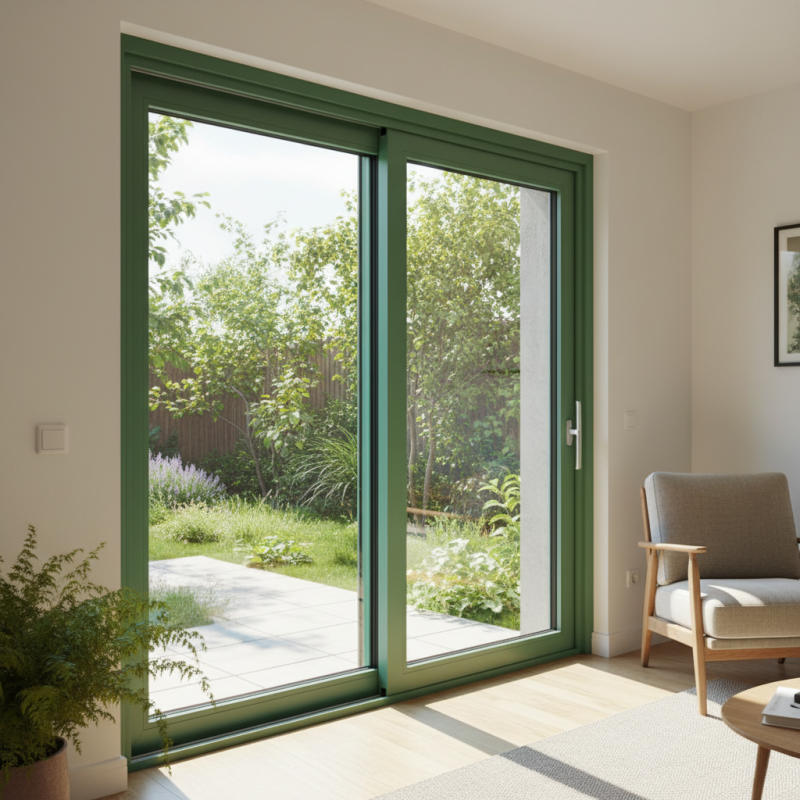
Green sliding windows represent an eco-friendly choice for homeowners. They not only enhance aesthetic appeal but also provide practical benefits. Features like thermal insulation and energy-efficient designs make them a smart investment. According to the U.S. Department of Energy, properly installed energy-efficient windows can reduce energy bills by 12%. This is a significant saving.
When selecting a green sliding window, consider the materials. Energy-efficient options often include Low-E glass and frames made from recycled materials. These choices minimize environmental impact while improving your home’s comfort. A tip to remember: always check the Energy Star ratings. Higher ratings indicate better performance.
Think about the installation process too. A poor installation can negate any benefits gained from an energy-efficient window. If gaps are present, it can lead to air leaks. The window might not operate smoothly. Always hire professionals with experience in green installations. Make sure to ask for references to ensure quality work.
Assessing Energy Efficiency Ratings for Eco-Friendly Windows
When choosing green sliding windows, energy efficiency ratings play a crucial role. These ratings are based on the window's ability to insulate and minimize energy loss. A common metric is the U-factor, which measures heat transfer. Lower U-factors indicate better insulation. According to the National Fenestration Rating Council (NFRC), windows with a U-factor of 0.30 or lower are considered energy efficient. This means reduced energy bills and a smaller carbon footprint.
Another vital rating is the Solar Heat Gain Coefficient (SHGC). This number indicates how much solar heat enters through a window. A lower SHGC is preferable for warmer climates. A study by the U.S. Department of Energy highlights that windows with an SHGC of 0.25 or less can significantly decrease cooling costs in hot areas. However, these ratings can be complex, and navigating them may seem challenging.
Check the Energy Star label for updated standards. However, not all windows meet these criteria. Some may look appealing but fail in performance testing. This can lead to regret. It's essential to combine aesthetic preferences with functional needs when selecting windows. Balancing beauty and efficiency is key to making a sustainable choice.
Material Options: Choosing Sustainable Frames for Sliding Windows
When selecting green sliding windows, material choice plays a crucial role. Sustainable frames can significantly impact both energy efficiency and aesthetics. A popular option is wood. It offers natural beauty and good insulation. However, maintenance can be tricky. Wood requires regular sealing and painting to withstand the elements. Rotting over time is a real concern.
Another option is aluminum. It's durable and requires little maintenance. However, raw aluminum isn't the most eco-friendly choice. Look for recycled aluminum to make a more sustainable decision. Vinyl is also prevalent. It's energy-efficient and available in various colors. Yet, vinyl can leach chemicals during its lifecycle, which is something to consider.
Beyond aesthetics and sustainability, the right material influences comfort. A poorly insulated frame can lead to drafts. Evaluate thermal performance before making your choice. Each material has its pros and cons. Analyze your situation deeply. What fits your lifestyle and environmental values? Take your time to reflect on these elements before deciding.
How to Choose the Best Green Sliding Window for Your Home?
| Material Type | Sustainability Rating | Energy Efficiency | Lifespan (Years) | Recyclable |
| Vinyl | Good | Moderate | 20-40 | No |
| Wood | Excellent | High | 30-70 | Yes |
| Fiberglass | Very Good | High | 25-50 | Yes |
| Aluminum | Good | Moderate | 20-30 | Yes |
Design and Aesthetics: Matching Green Sliding Windows to Your Home
Choosing the right green sliding window can enhance the overall design of your home. The color green works well with various architectural styles. Whether your home is modern or traditional, green windows can provide a fresh contrast. Be mindful of your home's exterior color palette. A deep forest green might complement a light-colored facade beautifully, while a pale sage green can soften a darker exterior.
Consider the materials of the windows too. Wood frames offer warmth, while metal can provide a sleek look. Each material reacts differently to colors. A wooden green window may require more maintenance than metal. Reflect on this, as it impacts long-term aesthetics. Also, take note of how the green shades change throughout the day. Natural light can affect their appearance significantly.
Remember to think about surrounding elements. If your garden features lots of greenery, the windows should stand out. Too much green can feel overwhelming. It's crucial to find the right balance. Visiting showrooms can help visualize the options. Trying out samples against your home's backdrop is essential. This step can prevent a mismatch that may lead to regrets later on. Making the invisible visible through careful selection is key.
Installation and Maintenance Tips for Long-Lasting Performance
When selecting green sliding windows, installation is key. Proper installation ensures efficiency and durability. Begin by measuring the window opening accurately. Mistakes in measurements can lead to gaps, creating energy loss. Ensure the frame is level. An unlevel frame can cause issues down the line.
Regular maintenance is essential for long-lasting performance. Clean the tracks and sashes frequently to prevent dirt buildup. A simple cloth and mild soap work wonders. Check the seals regularly. Damaged seals can invite drafts, which reduce energy efficiency. Consider re-caulking if needed; this enhances insulation and protects against moisture.
Sometimes, homeowners overlook the importance of climate in maintenance choices. In humid areas, more frequent checks are necessary. If you notice signs of wear early, address them promptly. Small issues can lead to significant expenses if ignored. Investing time in care now pays off later.